 01142 357717
 info@hearingloop.co.uk

Houses of Worship
Home » Houses of Worship

- Enhance engagement during sermons, prayers or music
- Inclusive experience for hard of hearing congregants
- Ensure facilities are compliant with accessibility regulations
While hearing aids perform well in one-on-one conversations, challenges often arise in larger or acoustically challenged environments. In spaces like the prayer hall, community rooms, or chapels, bad acoustics, echo and distance from the speaker can hinder clarity.
A selection of some of our most popular and recommended hearing loops for houses of worship can be found below. This includes both portable and fixed hearing loop systems.
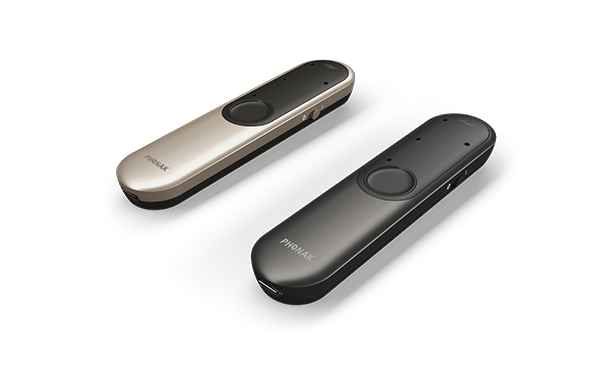
Roger On 3 Unlimited Microphone
Ideal for: One person speaking to a group where a permanent hearing loop can’t be installed
- Fully portable system: can be used for multiple rooms
- Versatile: 4 main ways of use – On a table; Pointing; Presenter; TV/Multimedia
- Easy to use and set up
- Over 6 hours operating time
- Discreet Secure Communication: loop the person not the room
- No installation required
- Simultaneous Use in Adjacent Rooms Without Interference
The Roger On 3 System is recommended for use in places of worship where it is not practical to install a fixed hearing loop. It can be used in areas where there is just one person presenting or speaking and others are in “audience”. Additional applications include use in meetings and for receiving audio from PA or multimedia systems. It stands as the most versatile microphone in the Phonak line up.
How does it work?
The Roger On wireless microphone transmits the sound via radio frequency from the wireless microphone to neckloops worn by those who are hard of hearing. In turn the neckloop receiver will connect to the users hearing aid using the T-setting, or a set of headphones. Only people wearing the neckloop will be able to access the hearing loop but an unlimited number of neckloops can be paired with the microphone.
4 main ways of use

The microphone can be hung around the neck by a lanyard (presenter mode), placed on a surface (table mode) for use during meetings, pointed at the person talking if discussions are taking place or can connect to a PA System, TV or laptop. It will also automatically switch modes depending on how it is being used.
Over 6 hours operating time
The Roger On Microphone has a battery life of over 6 hours when used with a Roger Neckloop Receiver. The receivers themselves having a battery life of over 10 hours.
read lessRoger BaseStation Transmitter
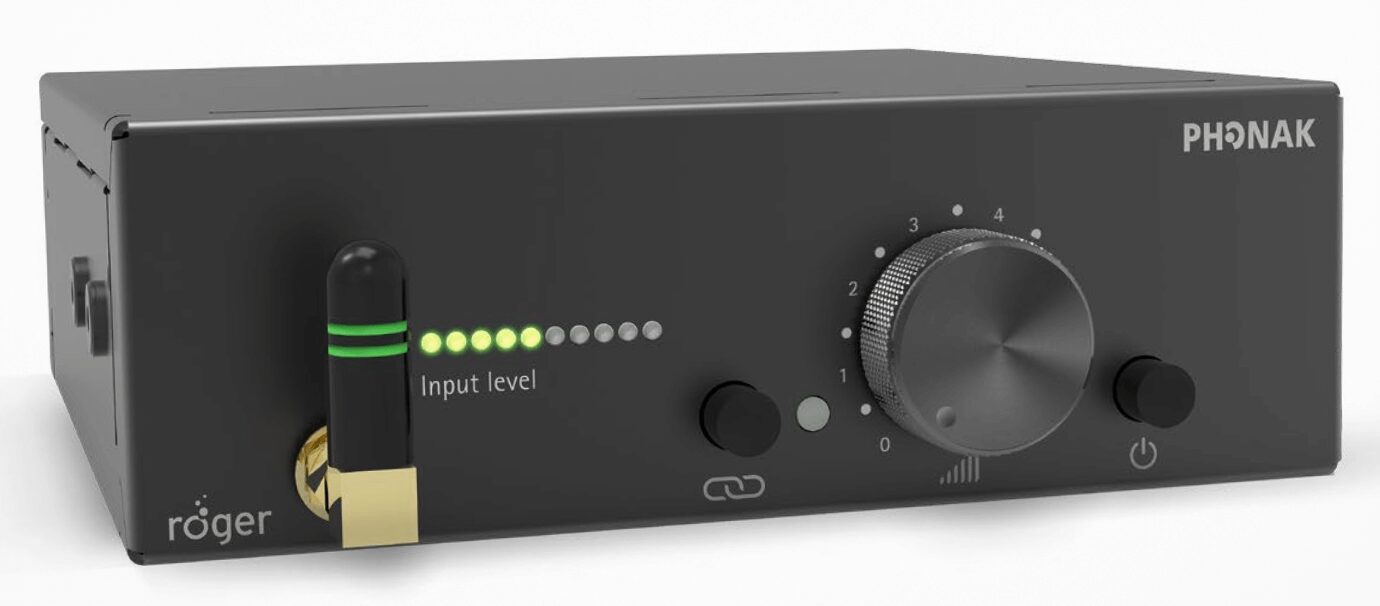
Ideal for: Audio from a PA/AV System, where a permanent hearing loop can’t be installed
- Designed to broadcast audio from a sound system
- Simultaneous Use in Adjacent Rooms Without Interference
- Discreet Secure Communication: loop the person not the room
- Mains powered: Standard 3 pin plug
- Long transmission range: Up to 40 plus meters
- Rack and wall mount included
- Perfect for large event & meeting spaces where it is not practical to install a fixed hearing loop
The Phonak Roger BaseStation Transmitter is designed to broadcast audio from a sound system via a 6.5mm Jack or XLR connection. It is a small mains powered device that delivers high quality sound signals via radio frequency to the Roger Neckloop Universal receivers worn by those who are hard of hearing.
The hearing or “induction’ loop is created by the loop around the neck. This creates an electromagnetic field which would be picked up by the receiver in the hearing aid. The hearing aid then converts this back into speech sound for the user to hear.

Neckloop receiver
The neckloop is discreet, lightweight, easy to use and is accessible to any hearing aid with a Tcoil. It can even be tucked under clothing if desired and used with a set of headphones should someone be hard of hearing but not wear hearing aids.
Basestation transmitter
The Base station transmitter has a range of up to 40m which can be increased with the use of repeaters if necessary.
Being a portable system there is no cost of installation to consider, and it can be easily moved and used elsewhere as and when required.
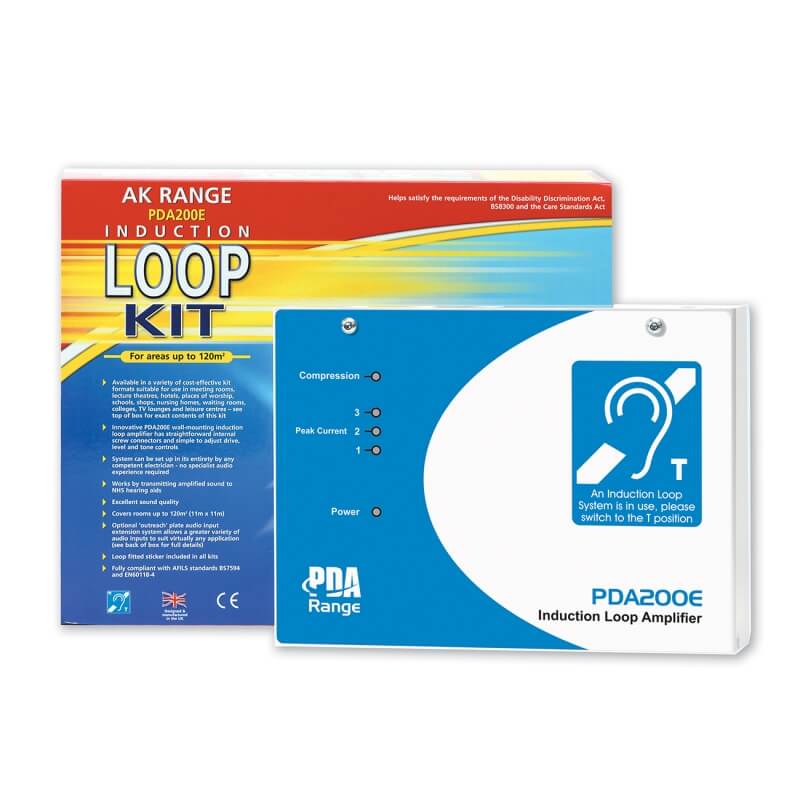
read lessAKW2/L Place of Worship Hearing Loop Kit (lavalier Microphone)
Ideal for: Medium to Large Rooms with no existing PA/AV System
- Fixed medium to large room system: creates a perimeter loop up to 200sqm (approx. 14m x 14m)
- Complete System: Includes everything you need with the exception of loop cable
- Mains powered: Fused spur required
- Lavalier microphone: wireless portable mic.
- Additional audio inputs available: via the outreach extension system
- Loops not required in adjacent rooms or spaces
The AKW2/L Place of Worship Hearing Loop Kit is ideal for a room up to 200m2 where a portable microphone is required, and includes everything you would need to install the system (with the exception of the loop cable). This includes a PDA200E induction loop amplifier, an AMR/LA lavalier radio microphone, 9m Belden cable (to connect the Microphone to the amplifier) a number of outreach plates to connect other audio sources and a Loop Fitted sticker so that anyone using the room is aware that they can connect to a hearing loop. Perfect for medium to large rooms where hearing loops are not required in adjacent rooms or spaces.
The PDA200E amplifier included with the AKW2/L kit would require electrical installation by a qualified electrician as a fused spur is required, however the rest of the install (ie. Laying loop cable etc) could be done in house if preferred.

Loop Cable
Either end of the loop cable connects to the amplifier and should be run around the perimeter of the room either at skirting level/under carpet tiles or ceiling height/in floating ceiling, but within the range of 2-3 meters off ground, no higher.
Microphone
The Lavalier microphone is a portable radio mic consisting of an AMT tie clip mic that plugs into a receiver. Accordingly, this then sits in the base station transmitter to charge while not in use. This allows pastors, worship leaders, or speakers to move freely around the stage or congregation without being limited by cables.
How does it work?
Audio is picked up by the microphone and is sent around the loop cable. The loop then cable creates an electromagnetic field which would be picked up by the receiver in the hearing aid and converted back into speech sound for them to hear. Anyone wearing a hearing aid with the T-coil setting could connect to the hearing loop.
Additional Audio Inputs
The system can be expanded to also take audio input from a TV, Laptop or other media device using a compatible outreach plate (not supplied).
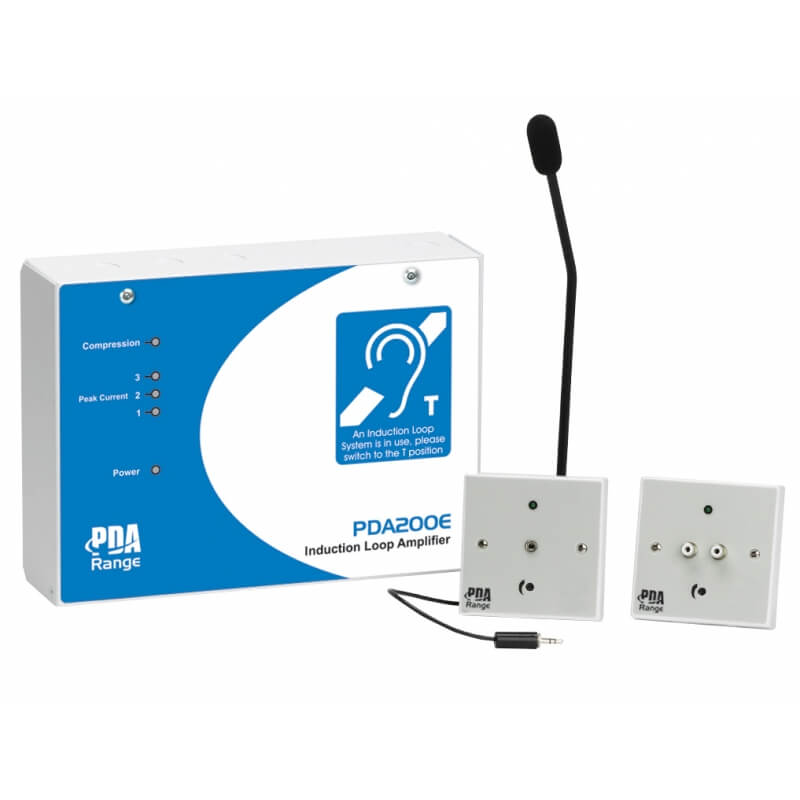
read lessAKW1 Place of Worship Hearing Loop Kit
Ideal for: Medium to Large Rooms with no existing PA/AV System
- Fixed medium to large room system: creates a perimeter loop up to 200sqm (approx. 14m x 14m)
- Complete System: Includes everything you need with the exception of loop cable
- Mains powered: Fused spur required
- Lectern Microphone: Lectern stem mic.
- Additional audio inputs available: via the outreach extension system
- Loops not required in adjacent rooms or spaces
The AKW1 Place of Worship Hearing Loop Kit is ideal for a room up to 200m2 where a lectern microphone is suitable. The kit includes everything you would need to install the system (with the exception of the loop cable). This includes a PDA200E induction loop amplifier, an AML Lectern microphone, 9m Belden cable (to connect the Microphone to the amplifier), an outreach plate to connect other audio sources and a Loop Fitted sticker so that anyone using the room is aware that they can connect to a hearing loop. Perfect for medium to large rooms where hearing loops are not required in adjacent rooms or spaces.
The PDA200E amplifier included with the AKW1 kit would require electrical installation by a qualified electrician as a fused spur is required, however the rest of the install (ie. Laying loop cable etc) could be done in house if preferred.
Loop Cable
Either end of the loop cable connects to the amplifier and should be run around the perimeter of the room either at skirting level/under carpet tiles or ceiling height/in floating ceiling, but within the range of 2-3 meters off ground, no higher.

Microphone
The Lectern microphone is a portable radio mic consisting of an AMT tie clip mic that plugs into a receiver. Accordingly, this then sits in the base station transmitter to charge while not in use. This allows pastors, worship leaders, or speakers to move freely around the stage or congregation without being limited by cables.
How does it work?
Audio is picked up by the microphone and is sent around the loop cable. The loop then cable creates an electromagnetic field which would be picked up by the receiver in the hearing aid and converted back into speech sound for them to hear. Anyone wearing a hearing aid with the T-coil setting could connect to the hearing loop.
Additional Audio Inputs
The system can be expanded to also take audio input from a TV, Laptop or other media device using a compatible outreach plate (not supplied).
read lessHearing Loop Amplifier and Loop Cable
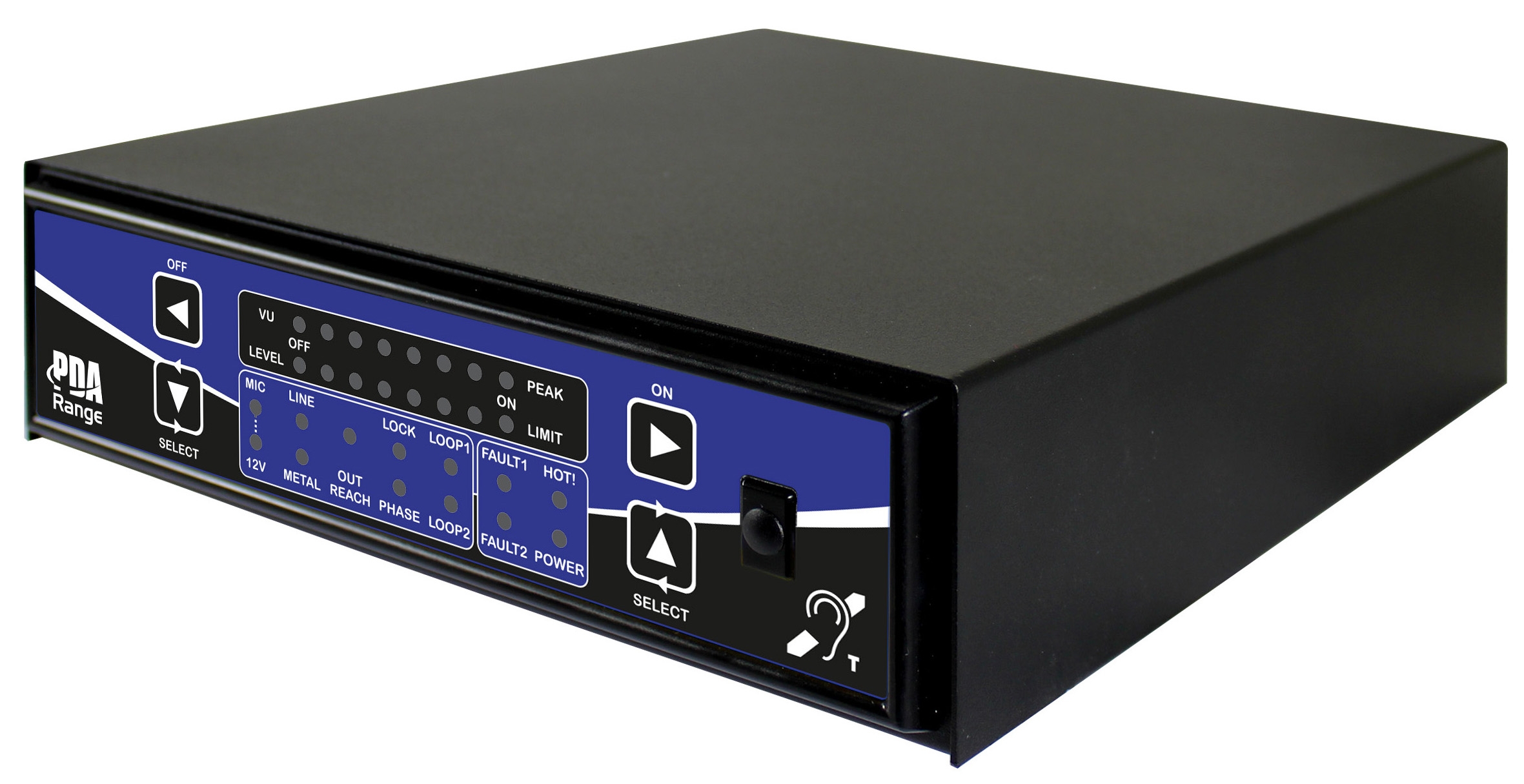
Ideal for: Room with audio from a PA/AV system
- Fixed room system: Depending on the amplifier chosen, the system can create a perimeter loop covering 50 to 1000 sqm.
- Mains powered: standard 3 pin plug
- Audio input from PA/AV system: All audio is fed directly from the venue’s current sound system.
- Simple installation: No microphones required, ensuring a quick and straightforward setup.
Our range of hearing loop amplifiers is ideal for houses of worship, especially where an existing sound system is available to supply the audio. By connecting the amplifier to the sound system and installing loop cable around the perimeter of the room, you can create a highly effective hearing loop with minimal effort.
The amplifiers can be rack-mounted alongside the venue’s audio equipment, and because they run from a standard 3-pin plug, a specialist electrician is not typically required for installation. This solution is perfect for rooms of any size where hearing loops are not needed in adjacent spaces.
Audio Input
The amplifier can easily be connected to a PA system or mixer by using one of its line-level inputs. Simply take a suitable line output from the mixer—such as a balanced XLR, jack, or RCA line out—and feed it into the PDA amplifier’s line input. This provides a clean, consistent audio signal for the loop system, ensuring that everything coming through the PA, including microphones and media sources, is clearly transmitted to hearing aid users.
Loop Cable
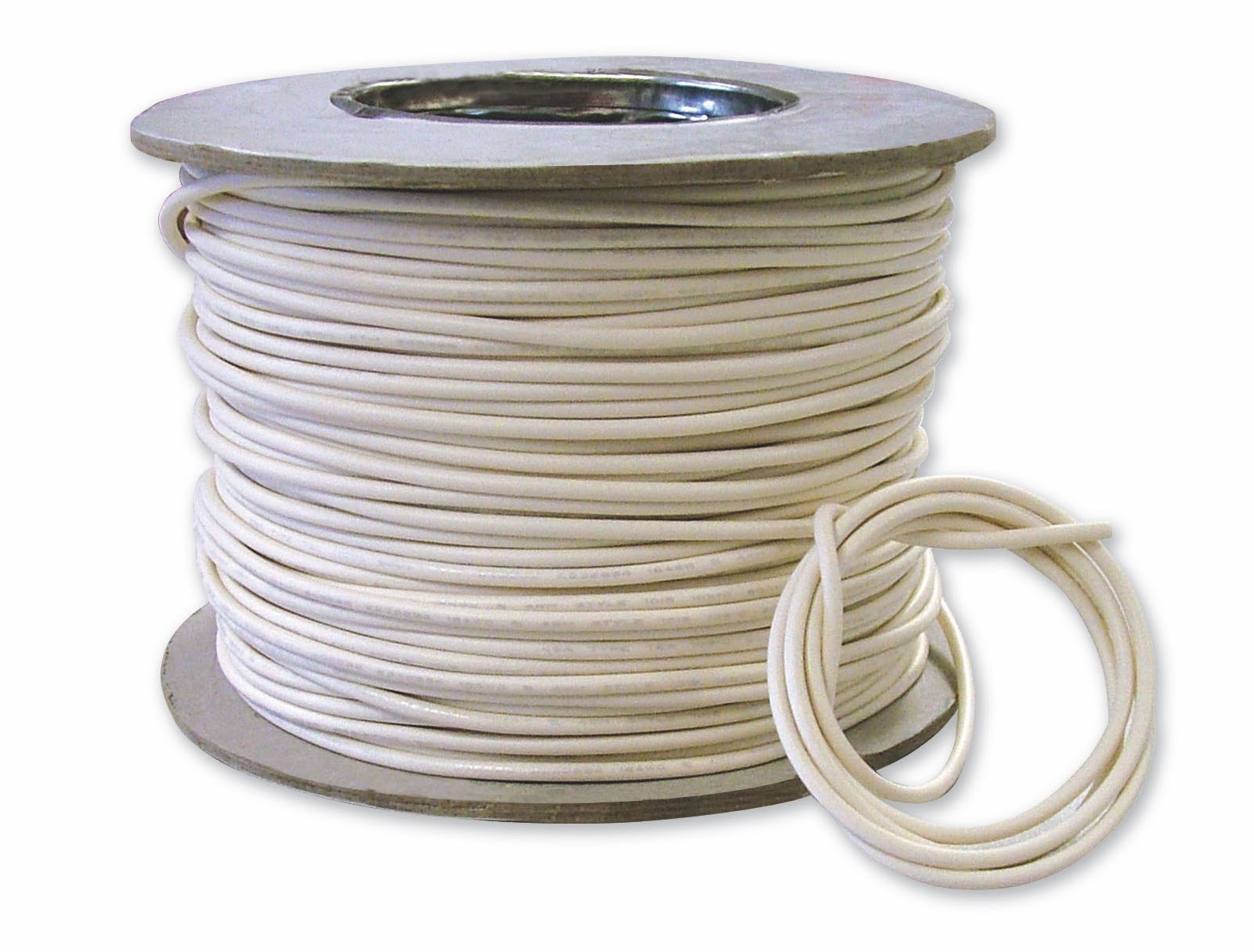
Either end of the loop cable connects to the amplifier and should be run around the perimeter of the room either at skirting level/under carpet tiles or ceiling height/in floating ceiling, but within the range of 2-3 meters off ground, no higher.
How does it work?
Audio is input to the amplifier and is sent around the loop cable. The loop then cable creates an electromagnetic field which would be picked up by the receiver in the hearing aid and converted back into speech sound for them to hear. Anyone wearing a hearing aid with the T-coil setting could connect to the hearing loop within the ‘looped’ area.
read less